How to Write Meeting Notes That People Actually Use
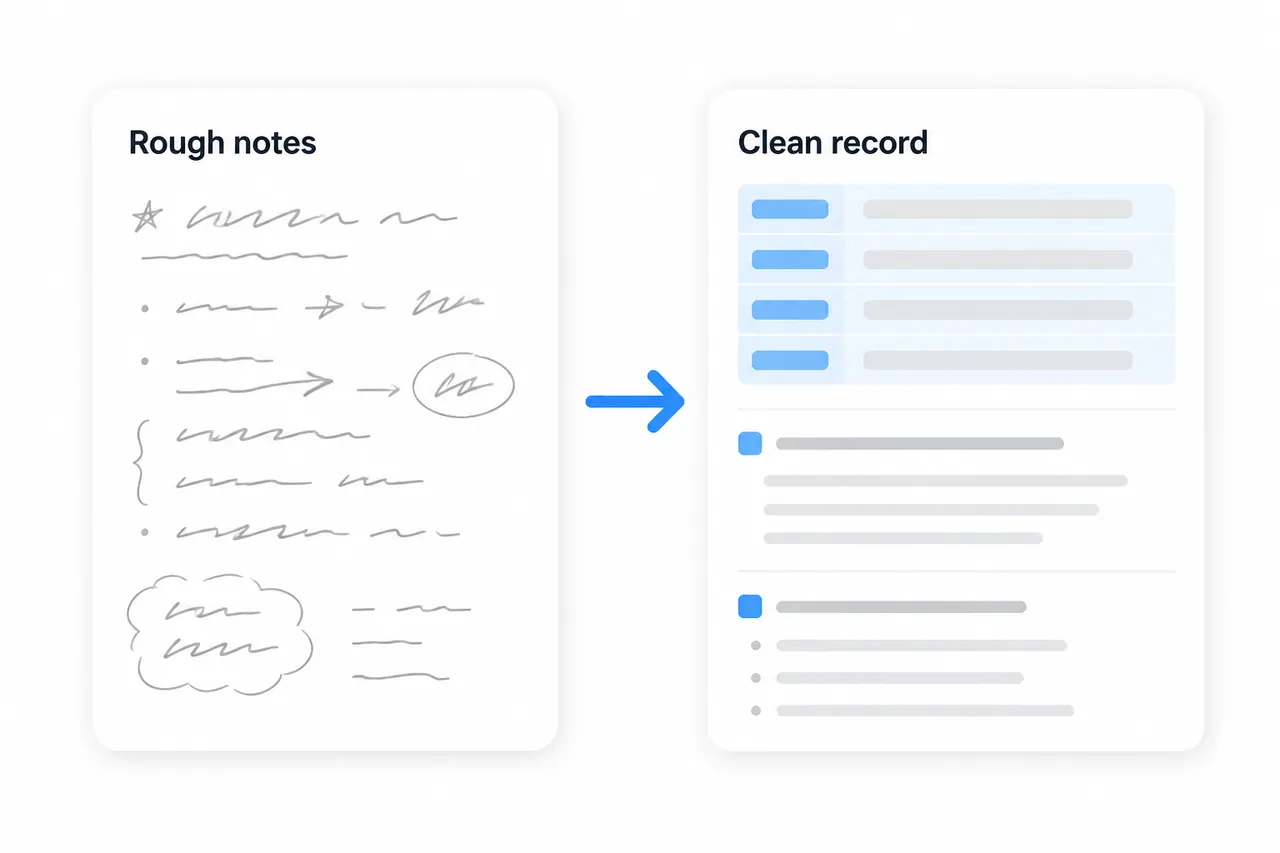
The problem is not your typing speed

You walk out of a meeting with a page of scribbles. Half the sentences trail off. Someone's name appears next to a vague verb. Two days later a colleague asks what was decided, and you stare at your own handwriting like it belongs to a stranger.
Most people think the fix is to take better notes during the meeting. It is not. The real fix is to separate two jobs that happen to occur in the same room: capturing raw material and producing a finished record. When you try to do both at once, you do neither well. Here is how to write meeting notes that actually get read and acted on.
Capture first, organize later
The fastest way to ruin your notes is to format them while someone is talking. The moment you pause to indent a bullet or rephrase a sentence, you miss the next thing said. So stop editing in real time.
During the meeting, write in a single running stream. Timestamps help. Abbreviations are fine. Do not worry about spelling, grammar, or whether a point belongs under agenda item two or three. Your only job right now is to get words onto the page before they evaporate. Think of this pass as a raw transcript, not a document.
The organizing happens afterward, in a separate pass, when the room is quiet and your short-term memory is still intact. This two-pass method feels slower. It is not. It simply moves the editing labor to a moment when editing is actually possible.
Extract three things before anything else: decisions, owners, deadlines
A meeting can produce an hour of discussion and exactly one thing that matters: who will do what by when. If your notes do not answer that question within five seconds of opening, they have failed.
Before you touch the rest of your scribbles, scan them for three categories only:
- Decisions made. Not opinions expressed, not options discussed — decisions that the room agreed on.
- Action owners. A task without a single name attached is a task that belongs to nobody.
- Deadlines. "Soon" is not a deadline. If the meeting did not set a date, note that the date is missing — that itself is useful information.
Pull these into a short block at the top of your notes. Everything else is context. Context matters, but it is not the reason people will reopen the document next week.
Keep discussion separate from conclusions

One of the most common traps in meeting notes is blending the conversation with the outcome. A paragraph that starts with "We talked about switching vendors" and ends with "so we will stay with the current provider" buries the conclusion inside a narrative. The reader has to parse the whole story to find the answer.
Use a simple structural rule: state the conclusion first, then summarize the discussion that led to it. If a topic was raised but no conclusion was reached, say so explicitly — "No decision. Revisit on [date]." This is not extra work; it is a label that takes five seconds to type and saves every future reader from guessing.
Send it within 24 hours
Notes that arrive three days after a meeting compete with three days of new information. People have already started remembering the meeting differently. Details blur. Disputed points harden into competing versions.
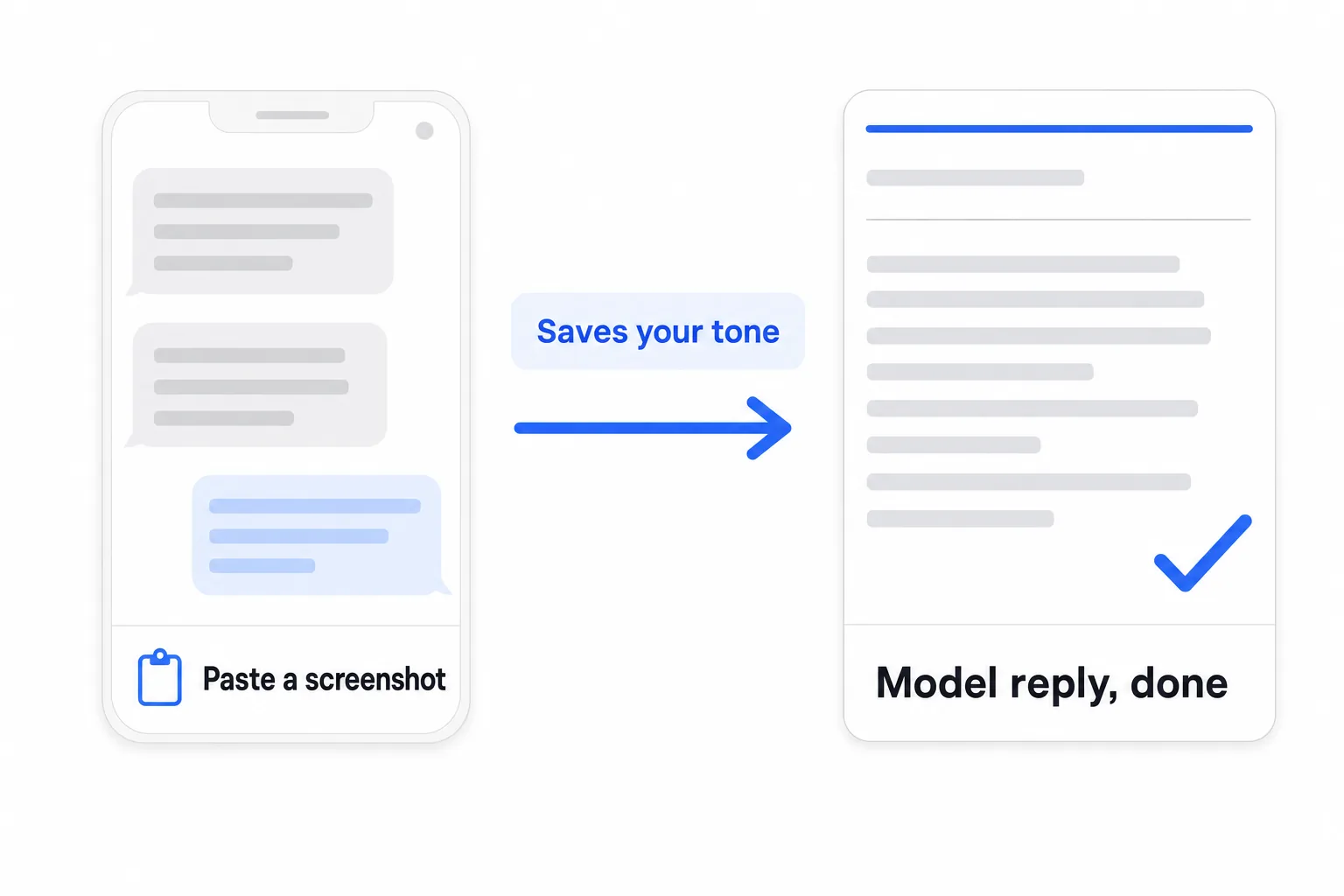
Twenty-four hours is the outer edge. Same-day is better. The goal is not perfection — it is to circulate a shared record while everyone's memory can still correct it. Send the notes to all attendees and explicitly invite corrections. A note that two people flag as inaccurate and then fix is more trustworthy than a polished summary no one bothers to read.
If cleaning up the full notes takes too long, send the decision-owner-deadline block first as a short message, then follow up with the detailed version. A partial record delivered on time beats a complete record delivered too late.
Start the next meeting with the last meeting's deadlines
Notes that no one revisits are notes that change nothing. The simplest enforcement mechanism is also the most obvious: open every meeting by reviewing the action items from the previous one.
This does two things. It holds owners accountable — not through pressure, but through a predictable rhythm. And it tells everyone in the room that the notes are a living document, not a filing obligation. When people see that the notes come back, they start paying closer attention to what goes into them.
Keep a running list that carries forward from meeting to meeting. Cross off completed items. Flag overdue ones. Over a few cycles, this list becomes the most useful artifact your team produces.
Where a tool can help

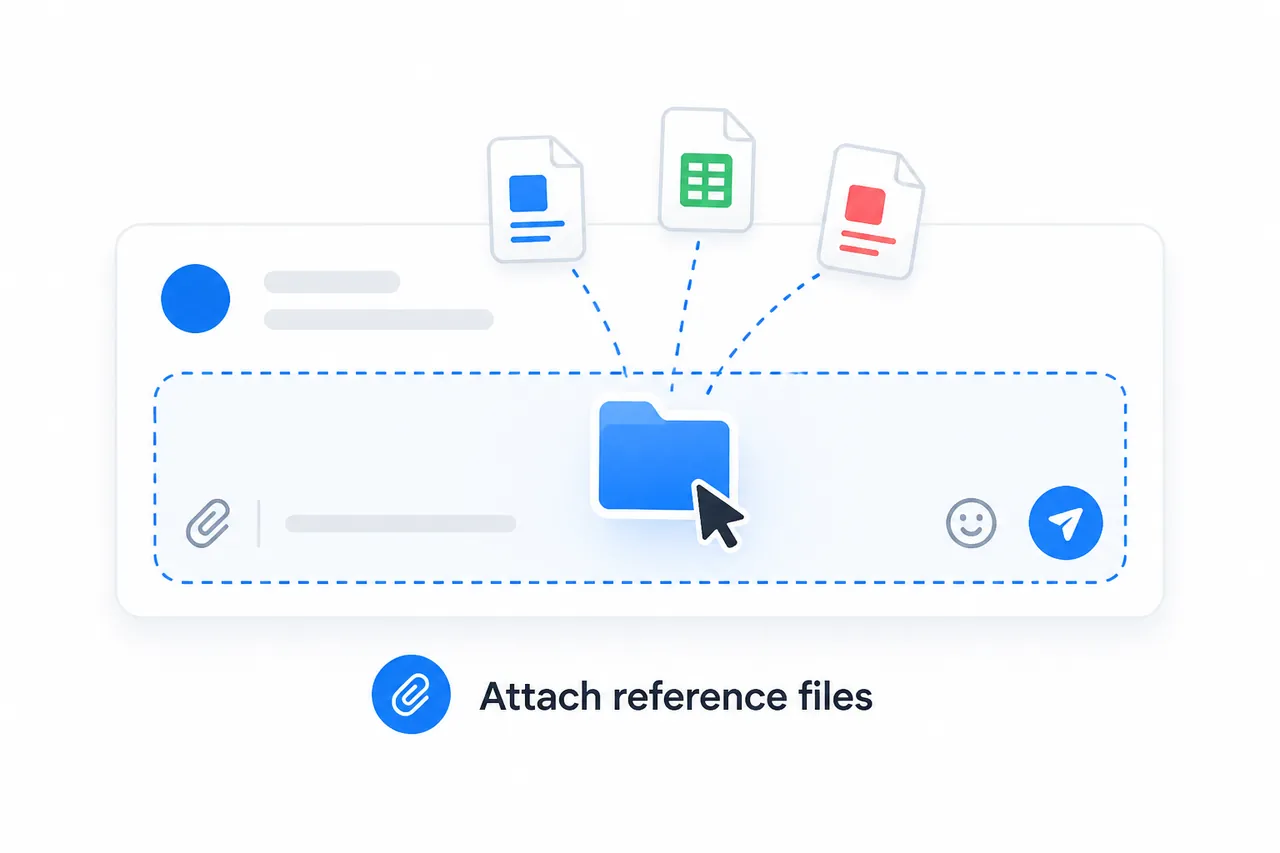
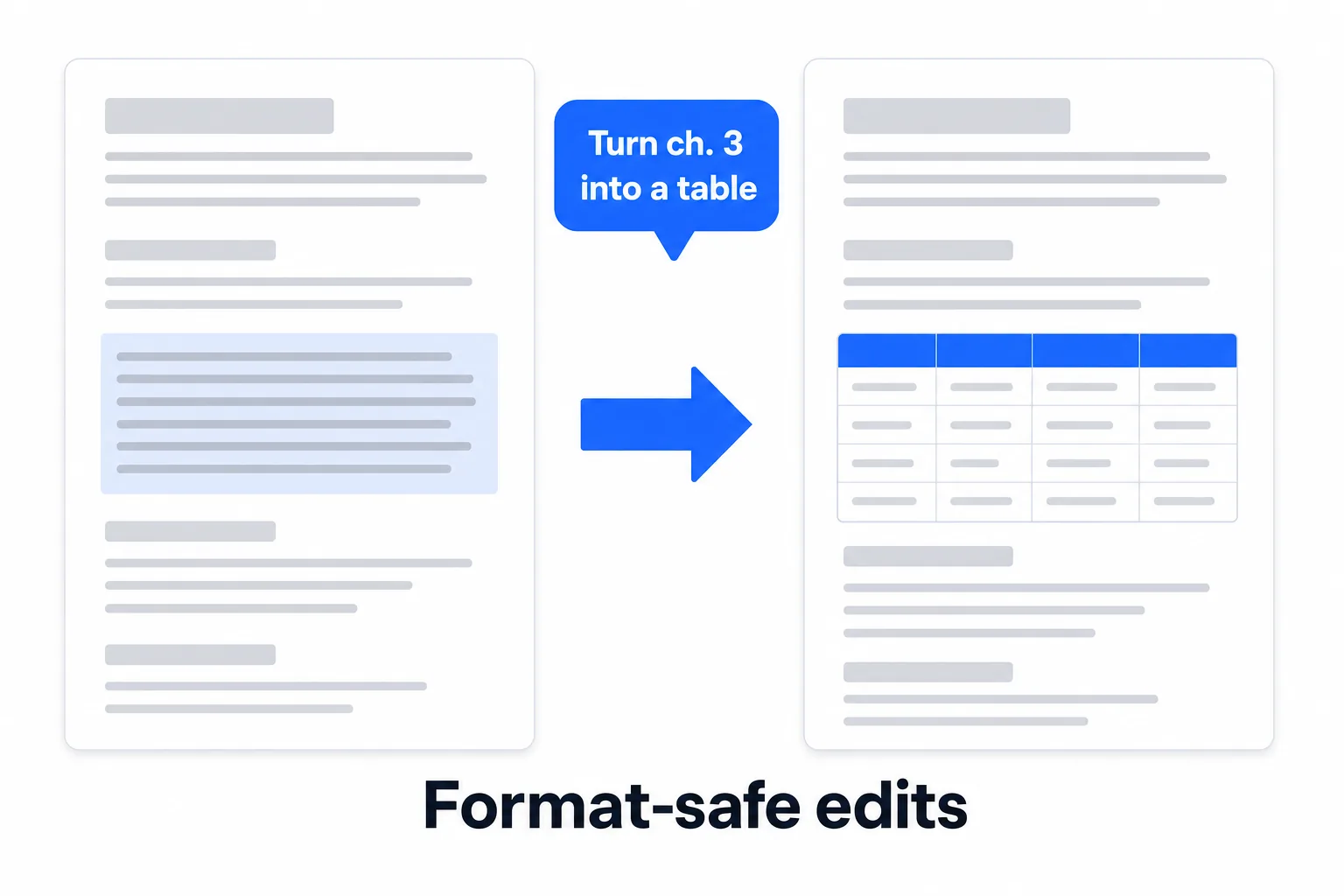
The method above works with any text editor, but the bottleneck is always the same: turning the raw capture into a clean, structured document quickly enough to send it the same day. HanFlow AI lets you drop your rough notes in, state what kind of record you need — including which items should lead — and get a structured draft back. If you need the output as a Word file or PDF, it handles the conversion so you are not fussing with templates. Attached reference files are free, so you can include the agenda or prior notes for context.
The hard part is still yours: being in the room, listening carefully, and writing things down before they disappear. No tool replaces that. But the cleanup pass — the part that makes people procrastinate until the notes are stale — can go much faster.
Frequently asked questions
Q: Should one person take notes or should everyone take their own? Assign one dedicated note-taker per meeting. When everyone takes notes, you get five partial records and no single source of truth. Rotate the role if it feels unfair, but keep it to one person per session.
Q: How long should meeting notes be? As short as they can be without losing the decisions and their context. For a 30-minute meeting, half a page is usually enough. If your notes are longer than the meeting was, you are over-documenting.
Q: What if the meeting had no clear decisions? Document that explicitly. Write "No decisions reached" and list the open questions that remain. This prevents the meeting from being remembered as productive when it was not, and it gives the next meeting a concrete starting point.
Q: Should I record meetings instead of taking notes? A recording is not a substitute for notes. No one re-watches a 45-minute video to find one decision. Recordings can help you verify details during your cleanup pass, but the structured, scannable document is still the deliverable.